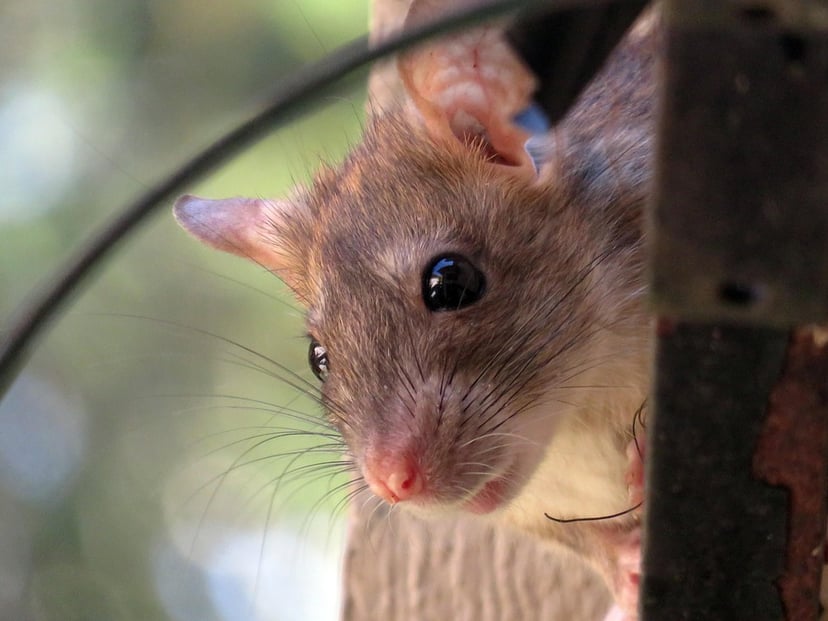
Rats are one of the most concerning pests found in UK homes. Beyond the obvious discomfort, they carry serious health risks, damage insulation, chew through wires, and contaminate food. Once they’ve made themselves comfortable, they rarely leave on their own - and can breed rapidly.
Here’s what you can do to slow them down and reduce activity while arranging for professional treatment.
If you already have droppings, scratching, or sightings, go straight to rat control. For local treatment, see rat control in Edinburgh, rat control in Glasgow, or rat control in West Lothian.
If activity is starting as temperatures drop, read Rats and Mice in the House: why rodent problems rise in autumn.
1. Identify the Problem Early
You’re unlikely to see a rat in the open, but there are clear warning signs:
Scratching or scurrying noises in the loft, walls, or under floors
Droppings about 1–2 cm long near cupboards or skirting boards
Chewed food packaging, wood, or cables
A strong, musty odour in confined areas
Even a single sign can mean more rats are nearby - they’re highly social animals. If you’ve noticed several of these clues, it’s likely an established infestation that needs professional attention.
2. Cut Off Food Access
You can make your home less appealing to rats by:
Storing food and pet feed in solid, sealed containers
Cleaning up spills promptly and wiping down worktops
Keeping bins shut tightly
While this won’t eliminate an infestation, it can prevent things from worsening before treatment. Rats are resourceful - they’ll chew through plastic, wood, and even light metals if hungry enough.
3. Limit Entry Points (Where Practical)
Check obvious gaps and cracks around doors, pipes, and vents. You can:
Cover holes with steel mesh or filler that rats can’t chew through
Fit brush strips to the bottom of external doors
Keep outdoor clutter (like stacked wood or bins) away from walls
However, rats often enter through underground pipes, cavity walls, or inaccessible voids - places that typically require specialist tools and inspection cameras to treat properly. If you’re hearing activity inside the structure, sealing alone won’t solve it.
If rats keep returning, consider a CCTV drain survey before spending more time on surface-level fixes.
4. Use Traps Cautiously
Snap traps can reduce small numbers if placed correctly, but they must be handled with care and checked regularly. Use gloves to avoid transferring scent, and position traps along walls or near droppings.
Trapping alone won’t address the root of the issue - it only removes individuals, not the nest. If activity continues after a few nights, there’s likely a colony deeper within the property or drainage system that requires professional-grade baiting and proofing.
5. When to Call Antiva
Rats reproduce quickly - a pair can turn into dozens within weeks. If you’ve heard persistent noises, found droppings, or had any recent sightings, it’s safest to bring in professionals before the infestation spreads.
At Antiva, we carry out a full inspection to identify entry points, nesting sites, and food sources, then apply targeted, regulated treatments that are safe for your household but effective against rodents. We also provide follow-up visits to ensure the infestation is completely cleared.
Rat Problem Severity Checklist
Low - one possible noise or outdoor sighting: check coverage and monitor for droppings
Medium - droppings, gnaw marks, or repeated scratching: book a rat inspection
High - live rat indoors, food area affected, business affected, or repeat activity after treatment: use emergency pest control
Related services: rat control, drain inspection, and pest proofing.
If you’re seeing signs of rats or hearing movement at night, don’t wait. The earlier the treatment starts, the easier it is to remove them for good.