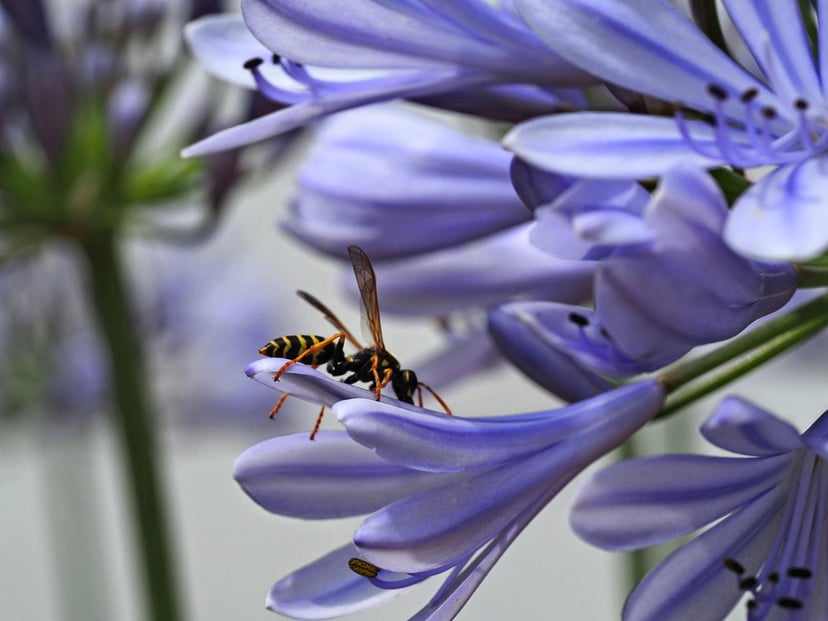
Wasps are a common summer nuisance across the UK, especially from late spring through early autumn. While a few buzzing around the garden are normal, finding a constant presence near your home - or spotting them disappearing into a wall, loft, or shed - usually means a nest is nearby.
Trying to handle wasps yourself can be risky. Their stings are painful and can cause severe allergic reactions. Here’s what you can safely do to manage the problem while arranging for professional help.
If wasps are entering the same roof, wall, shed, or garden gap repeatedly, see wasp nest removal. For local help, see wasp nest removal in Edinburgh or wasp nest removal in Glasgow.
1. Spot the Signs of a Nest
Wasps often build nests in sheltered, dry spots such as:
Lofts, roof spaces, or wall cavities
Sheds, garages, or under eaves
Bushes, hedges, or compost bins
You might notice:
A steady stream of wasps entering and leaving a small hole or gap
Buzzing noises in walls or ceilings
Increased wasp activity around windows or outdoor eating areas
If you can see wasps frequently using one specific entry point, there’s likely a nest inside - and it can contain thousands by mid-summer. It’s best not to disturb it.
2. Keep Food and Sweet Scents Away
Wasps are drawn to sweet smells and protein-rich foods. You can reduce attraction by:
Keeping food and drinks covered outdoors
Cleaning up spills and fallen fruit promptly
Using tightly sealed bins, especially during warm weather
These steps won’t remove a nest, but they’ll reduce wasp traffic around your living areas until it’s professionally treated.
3. Avoid DIY Nest Removal
Many people try wasp sprays or powders from DIY stores, but treating an active nest without proper protection is dangerous. Wasps become aggressive when threatened, and multiple stings can happen in seconds.
Even if the nest appears “quiet,” the colony could still be active. Nests in roof voids, walls, or air bricks can’t be safely reached with shop-bought products - they require professional insecticides and protective equipment.
If you’ve found a nest or hear buzzing inside a structure, do not block the entry hole. Wasps will look for another way out - often into your home.
For nests near people, entrances, schools, care homes, food businesses, or customer areas, use emergency pest control.
Late Summer Wasp Season
If wasp activity has suddenly increased in late July or August, read Wasp Nest Season UK: why wasps get worse in late summer.
4. When to Call Antiva
Wasps are highly territorial and quick to defend their nest. Professional pest controllers use specialist equipment and regulated treatments to destroy nests quickly and safely, often within a single visit.
At Antiva, we locate the nest, treat it using approved insecticides, and ensure full neutralisation before removing or sealing it. Our technicians are trained to handle even hard-to-reach nests in lofts, roofs, or garden structures without risk to you or your property.
Don’t take chances - wasp nests grow fast, and what starts as a small cluster can turn into a serious hazard by midsummer.
Wasp Problem Severity Checklist
Low - occasional wasps outdoors with no clear entry point: reduce food sources and monitor
Medium - steady wasp traffic into one gap: request wasp nest removal
High - nest near children, customers, entrances, allergic occupants, or a business: use emergency pest control
If you’re seeing wasps coming and going from the same spot or hearing buzzing inside walls, it’s time to call in the experts. We’ll remove the nest safely and make sure they don’t come back.