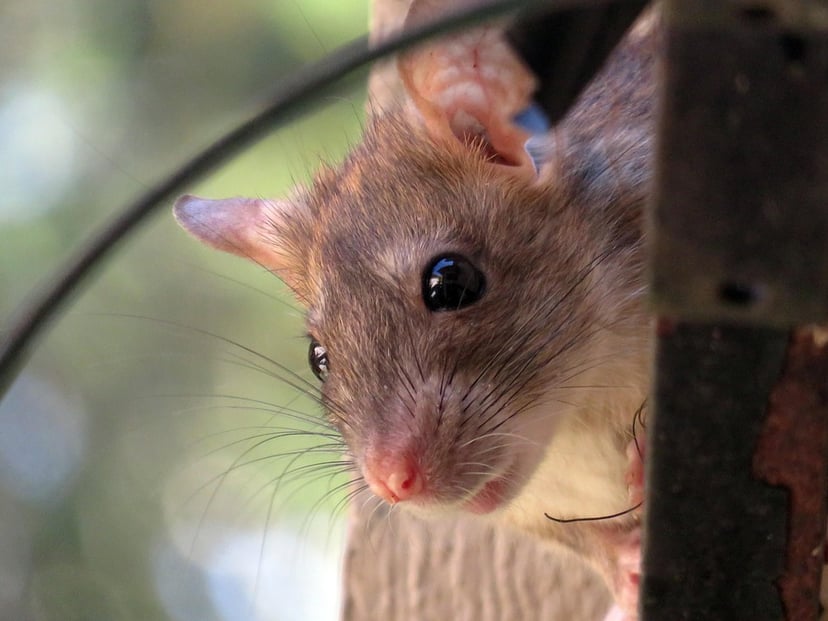
Rats and mice can affect homes and businesses at any time of year, but rodent problems often become more noticeable from September into winter. As temperatures drop and outdoor food becomes less reliable, rodents look for warmth, shelter, nesting material, and steady food sources.
If you are hearing scratching at night, finding droppings, or seeing gnaw marks, act early. A small rodent issue can become a larger infestation quickly if entry points, food sources, and nesting areas are left untreated.
For service pages, see rat control, mice control, pest proofing, and drain inspection.
Why Do Rats and Mice Come Indoors in Autumn?
Rodents enter buildings because they can find what they need more easily indoors:
Warm wall cavities, lofts, kitchens, garages, and basements
Food from cupboards, bins, pet bowls, stock rooms, and waste areas
Nesting material such as insulation, cardboard, fabric, and paper
Hidden routes through pipe gaps, vents, drains, subfloors, and cavities
Mice can squeeze through very small gaps. Rats may use larger holes, damaged drains, broken air bricks, door gaps, or defective inspection chambers.
Signs of Rats or Mice in the House
Check for:
Scratching, scurrying, or gnawing noises at night
Droppings in cupboards, under sinks, behind appliances, or along skirting boards
Chewed food packaging, cardboard, insulation, timber, or cables
Smear marks along walls, pipes, or regular routes
A stale or musty smell in enclosed spaces
Pets showing unusual interest in one wall, cupboard, or floor area
For rat-specific advice, read how to get rid of rats in your home.
Rats vs Mice: Does It Matter?
Yes. Rats and mice behave differently, use different routes, and often need different treatment plans.
Mice are commonly found in kitchens, cupboards, lofts, partition walls, and commercial storage areas. They are curious and can move through small internal gaps.
Rats are often linked with gardens, drains, sewers, basements, bin areas, wall cavities, and subfloors. If rats keep coming back after treatment, drains should be investigated. See rats in drains: signs, risks and inspection options.
What Should You Do Before Pest Control Arrives?
Store food and pet feed in sealed containers
Clear crumbs, spillages, and waste
Keep bins closed and move outdoor bins away from walls if practical
Photograph droppings or damage before cleaning
Avoid disturbing nests or contaminated material without protection
Note where noises are heard and what time they happen
Do not seal every visible hole immediately if rodents may still be inside. Proofing is important, but timing matters. Trapping or treatment should be planned so rodents are not trapped within walls, floors, or ceilings.
When to Book Professional Rodent Control
Book treatment if:
You see a live rat or mouse indoors
You find droppings in a kitchen, food area, or bedroom
Scratching continues for more than one night
Damage appears around wiring, insulation, food, or stock
A rental, restaurant, hotel, school, care setting, or business is affected
Rodents return after previous DIY treatment
Local pages: rat control in Edinburgh, rat control in Glasgow, rat control in West Lothian, mice control in Edinburgh, and mice control in Glasgow.
Autumn Rodent Prevention Checklist
Fit brush strips to external doors
Repair damaged air bricks and vents with rodent-resistant mesh
Seal pipe gaps after active routes are assessed
Keep vegetation and stored materials away from walls
Improve bin storage and waste collection routines
Inspect lofts, garages, basements, and risers before winter
Arrange drain inspection for repeat rat activity
For landlords and letting agents, see pest control for landlords and letting agents. For businesses, see commercial pest control.
Rodent FAQ
Are mice and rats more common in autumn?
Rodent activity is often more noticeable from autumn into winter because buildings offer warmth, shelter, food, and nesting opportunities.
Is one mouse a problem?
One sighting can be the first visible sign of a larger issue. Droppings, repeated noises, or food damage suggest more activity nearby.
Why do rats keep coming back?
Recurring rats often mean the access route has not been found. Drains, damaged pipework, cavities, bin areas, and neighbouring properties can all contribute.
Can Antiva proof my property after treatment?
Yes. Antiva provides rodent control, drain inspection, and pest proofing to reduce the chance of repeat activity.