Hantavirus has made international headlines this week after a suspected outbreak on a cruise ship in the Atlantic Ocean killed three people and left others seriously ill.
The MV Hondius - an expedition vessel operated by Dutch company Oceanwide Expeditions - departed Ushuaia in Argentina and sailed through Antarctica before heading north, stopping at the remote British overseas territory of Saint Helena, and anchoring off Praia, the capital of Cape Verde. It was during this voyage that passengers and crew began falling ill.
Three people have died. A Dutch man, 70, fell ill on board and was declared dead on arrival at Saint Helena on 24 April. His wife, 69, survived longer but collapsed at Johannesburg's international airport while attempting to fly home, and died at a hospital in Kempton Park, South Africa. A German national also died on board on 2 May; her cause of death had not been confirmed at the time of writing but was being treated as a suspected case. A British man was hospitalised in a critical condition at a private medical facility in Johannesburg, where he tested positive for hantavirus. The World Health Organisation confirmed two cases, with five further suspected cases under investigation, and said investigations - including virus sequencing - were ongoing. The ship was unable to disembark patients in Cape Verde while awaiting authorisation from local health authorities.
It is not the first time hantavirus has reached public attention recently. Betsy Arakawa - wife of actor Gene Hackman - died from hantavirus pulmonary syndrome at their home in Santa Fe, New Mexico, around 12 February 2025. The cause of death was not publicly confirmed until 7 March 2025.
What Is Hantavirus?
Hantaviruses are a family of viruses carried by rodents - primarily rats and mice - that can cause serious and sometimes fatal illness in humans. The virus does not make the rodents themselves visibly sick, which is part of what makes it difficult to detect.
There are two main diseases caused by hantavirus:
Hantavirus Pulmonary Syndrome (HPS) - affects the lungs. Found mainly in the Americas. The most common carrier in the US is the deer mouse. Around 38% of people who develop respiratory symptoms from HPS die from the disease.
Hemorrhagic Fever with Renal Syndrome (HFRS) - affects the kidneys. More common in Europe and Asia. Severity varies by strain; some cause fatality rates of 5–15%, while others are considerably milder.
How Does It Spread?
Hantavirus is not a disease you catch from another person in ordinary circumstances. The primary route of infection is through contact with infected rodents or their waste.
You can be exposed by:
Breathing in contaminated air - when dried rodent urine, droppings, or nesting material is disturbed and becomes airborne. This is the most common route.
Direct contact - if saliva, urine, or faeces from an infected rodent gets into a cut, or touches your eyes, nose, or mouth.
Rodent bites - rare, but possible.
The MV Hondius outbreak has raised a more specific concern. The WHO has said the outbreak may have involved person-to-person transmission, with any suspected spread occurring among "really close contacts" - such as couples. This is consistent with the Andes virus, a strain found in Chile and Argentina (where the ship originated), and the only known hantavirus strain capable of spreading between people. Investigations are ongoing.
This is why activities like cleaning out a shed, loft, or outbuilding where rodents have been active carry a real risk - particularly if you disturb old nesting material without taking precautions.
What Are the Symptoms?
Early symptoms of HPS typically appear one to eight weeks after exposure and are easily mistaken for flu:
Fatigue and fever
Muscle aches, particularly in the thighs, hips, and back
Headaches, dizziness, and chills
Nausea, vomiting, or abdominal pain
Four to ten days after the initial phase, the disease can progress rapidly. The lungs begin to fill with fluid, causing shortness of breath and chest tightness. At this stage, patients may require mechanical ventilation.
HFRS follows a similar early pattern but progresses to kidney failure, low blood pressure, and internal bleeding.
There is no specific antiviral treatment for hantavirus. Patients receive supportive care - rest, hydration, and in severe cases, ventilation or dialysis. Early medical attention significantly improves the chances of survival.
How Common Is It in the UK?
Hantavirus is not endemic to the UK in the same way it is in parts of the Americas or Asia. However, the Seoul virus - a strain of hantavirus that causes HFRS - is found worldwide, including in the UK, and has been linked to pet rats and rat colonies.
Cases in the UK are rare but do occur. The Health Security Agency monitors for hantavirus infections, and outbreaks have previously been linked to contact with wild or pet rats.
The risk is low for most people. It rises significantly for anyone who:
Works with or handles rodents (pest controllers, farm workers, laboratory staff)
Cleans up after a rodent infestation without proper precautions
Spends time in buildings, sheds, or vehicles where rodents have been active
What Does This Mean for Rodent Control at Home?
The cruise ship outbreak is a reminder that rodents are not just a nuisance - they carry genuine health risks. Hantavirus is one of several serious diseases associated with rats and mice, alongside leptospirosis (Weil's disease), salmonella, and listeria.
If you have a rodent infestation in your home, outbuilding, or workplace, the risks go beyond chewed wires and contaminated food. Rodent droppings and urine can accumulate in hidden areas - under floorboards, in loft insulation, behind appliances - and remain infectious for days.
If you're cleaning up after rodents:
Do not sweep or vacuum dry droppings - this disturbs particles into the air
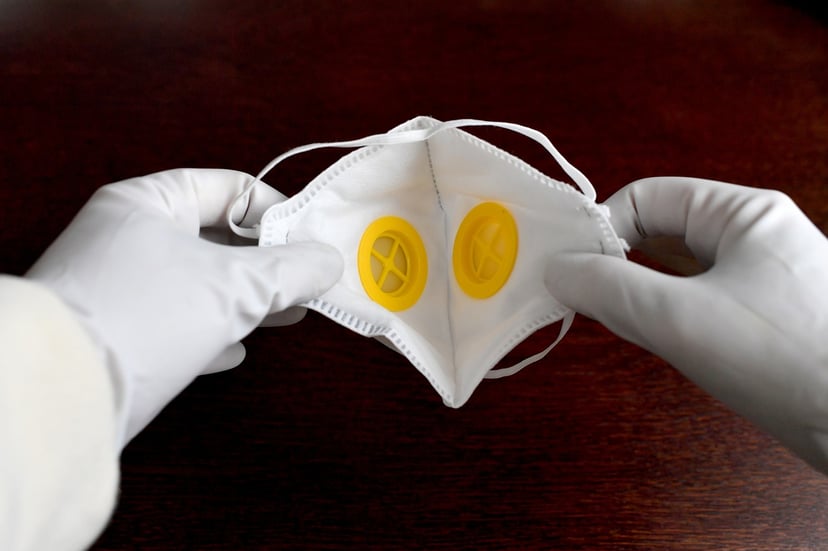
Wear gloves and a face mask (ideally an FFP2 or FFP3 respirator)
Dampen the area with a disinfectant spray before wiping
Seal waste in a bag before disposal
Wash hands thoroughly afterwards
These precautions reduce the risk of exposure, but they do not address the underlying infestation.
When to Call Antiva
If you have signs of a rodent infestation - droppings, gnaw marks, scratching noises, or sightings - the safest course of action is professional treatment. Rodents breed quickly, and what starts as a small problem can become a significant infestation within weeks.
At Antiva, we carry out a full inspection to identify entry points, nesting sites, and the extent of the infestation. We then apply targeted, regulated treatments that are effective against rodents while being safe for your household. Follow-up visits confirm the infestation has been fully cleared.
We also advise on proofing measures to prevent re-entry - because eliminating the current infestation is only half the job.
Rodents in your property are a health risk, not just an inconvenience. If you're seeing signs of activity, don't wait for the problem to grow.